
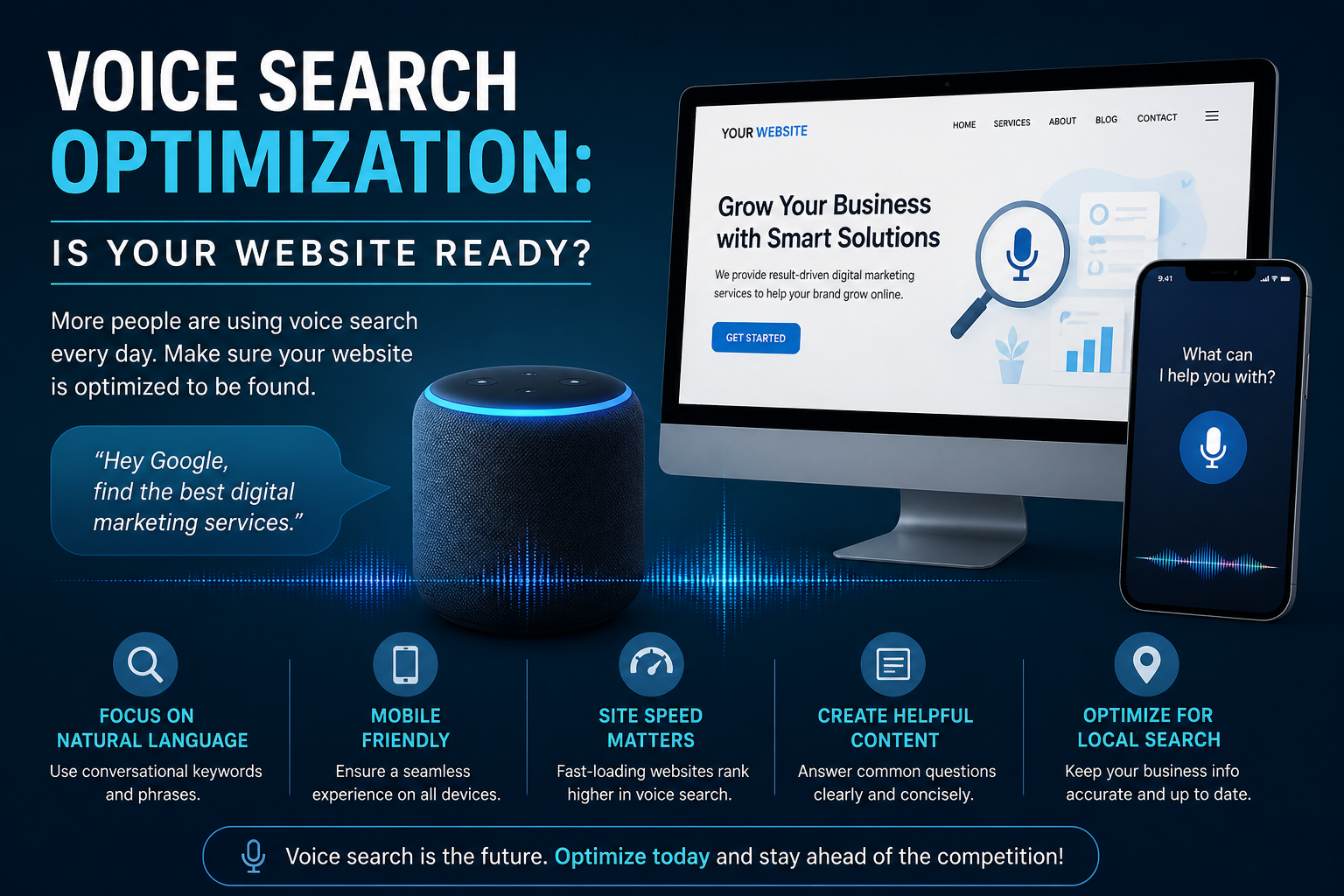
With the rapid growth of digital assistants like Alexa, Siri, and Google Assistant, voice search SEO has become a critical component for any online strategy. As we approach 2026, ensuring that your website is optimized for voice search is not just beneficial, but essential. This article delves into the significance of voice search optimization, how to implement conversational keywords, and preparing for the future of voice search in 2026.
Understanding Voice Search SEO
Voice search SEO is about optimizing your website to be understood and ranked by voice search technologies. Unlike traditional search queries, voice searches are more conversational and typically longer. Users tend to ask complete questions, expecting direct and precise answers.
Why Voice Search Matters
The appeal of voice search lies in its convenience and speed. By 2026, experts predict that this will account for a significant portion of all search interactions. Websites not optimized for voice search risk missing out on traffic, especially with the growing use of smart devices. Learn more about the growing trend here.
Implementing Conversational Keywords
To effectively harness voice search SEO, incorporating conversational keywords is paramount. These are longer phrases that mirror how real people speak naturally. For instance, instead of optimizing for ‘best pizza’, consider phrases like ‘where can I find the best pizza near me?’.
- Question Keywords: Use who, what, where, when, and why.
- Long-Tail Keywords: Phrases that consist of three or more words.
- Natural Language: Optimize content to reflect natural speech patterns.
Utilizing tools like Google’s Keyword Planner and Answer the Public can assist in identifying trending conversational keywords relevant to your niche.
Preparing for Voice Search in 2026
As we look to 2026, the landscape of search is evolving. Preparing your website requires strategic foresight and adaptation of cutting-edge techniques. Here’s how you can get started:
Mobile Optimization
Ensure your website is mobile-friendly. With a significant number of voice searches occurring on mobile devices, a responsive design enhances user experience and boosts rankings. Explore best practices for mobile optimization here.
Provide Direct Answers
Voice search often delivers answers instantaneously. Structuring content to directly answer potential user queries can enhance visibility. Use schema markup to help search engines understand your content contextually.
Leverage Local SEO
Many voice searches are local-based, tailoring strategies to include location-specific keywords can enhance your local search presence. Incorporating these into your existing strategy can vastly improve your regional visibility, particularly if you’re leveraging targeted services like SEO services in Madurai.
Voice Search and the Future
As AI advancements progress, the methods by which users interact with technology will continue to evolve. Voice search is more than a trend – it’s the future of search. The benefits of adopting a voice search strategy are clear, from enhancing user engagement to improving conversion rates.
By embracing voice search optimization today, you’re setting your website up for success in the rapidly approaching future. Make the necessary adjustments now to meet the demands of a voice-first world and lead in your industry.